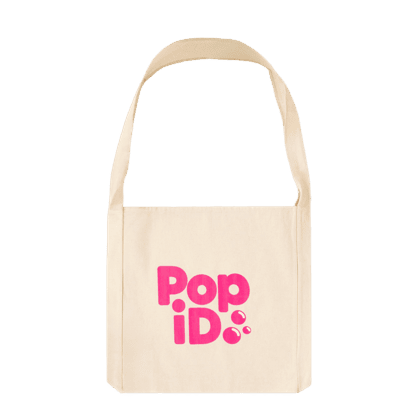
Tote bags are one of the most popular branded items we produce. Conferences, corporate gifts, retail packaging, charity events, school fundraisers — everyone wants a tote bag. And for good reason: people actually use them.
But not all tote bags are equal, and the choices you make before ordering affect the quality, cost, and how long that bag stays in circulation. Here’s what you need to know.
Materials: Cotton, Canvas, or Recycled
The three most common materials for custom tote bags are:
Cotton (lightweight, 4-5oz) The standard conference and giveaway bag. Lightweight, foldable, cheap to produce. Fine for carrying leaflets, a water bottle, and a few brochures. Not built for heavy loads. If you’re giving away hundreds of bags at an event and budget is the priority, this is the one.
Honest caveat: lightweight cotton bags feel lightweight. They’re functional, but nobody’s going to mistake one for a premium item. If you want people to reuse the bag regularly, consider something heavier.
Canvas (heavier, 8-12oz) Sturdier, thicker, feels more premium. Canvas bags hold their shape, carry more weight, and last significantly longer. They’re the choice for retail bags, corporate gifts, and any situation where you want the bag to feel like a proper product rather than a freebie.
They cost more per unit than lightweight cotton. But if the goal is long-term reuse — and therefore long-term brand visibility — the extra spend is worth it.
Recycled materials (rPET, recycled cotton) Made from recycled plastic bottles or post-consumer cotton. The quality is comparable to standard materials, and they carry a genuine sustainability credential.
If your company or event has an environmental commitment, recycled tote bags back that up with action rather than just words. They cost a bit more, but for many of our clients the eco angle is the whole point.
Print Methods
How your design gets onto the bag affects how it looks, how it lasts, and what it costs.
Screen print — The most common method for tote bags. Sharp, durable, cost-effective for larger quantities. Works best with 1-3 colours. If your logo is a single colour or two, screen print is the obvious choice.
DTG (Direct to Garment) — Full-colour digital printing directly onto the fabric. Great for complex designs, photographs, or gradients. More expensive per unit, and best suited to smaller quantities where screen print setup costs don’t make sense.
Heat transfer — Good for photographic images or very detailed designs. Durable, but the print area has a slightly different texture to the fabric. Works well for small batches.
For most corporate and event orders, screen print is the right call. It’s affordable, it looks clean, and it lasts through hundreds of washes.
Sizing
Standard tote bag dimensions are roughly 38cm x 42cm — big enough for everyday use. But there are variations:
- Standard tote — the classic flat bag with two handles. Fits A4 documents, books, shopping.
- Shopper tote — wider, with a gusset (expandable base). Carries more, stands upright when set down. Popular for retail and grocery.
- Mini tote / lunch bag — smaller format, used for lunch bags, small gift bags, or cosmetics.
Think about what people will actually carry in the bag. A conference tote needs to fit a lanyard, a programme, a water bottle, and maybe a laptop. A retail bag needs to fit the products you’re selling. Size accordingly.
Minimum Orders
At PopiD, our minimum order for custom tote bags is 50 units. That’s manageable for most use cases — a conference, a corporate event, a retail launch.
If you need fewer than 50, talk to us. We may be able to work something out depending on the specifics, but unit costs will be higher on very small runs. That’s just the economics of printing.
For larger quantities (500+), unit costs drop noticeably. If you know you’ll use bags across multiple events or throughout the year, ordering in bulk upfront is the most cost-effective approach.
Use Cases
The reason tote bags are so popular is versatility. Here’s where we see the most demand:
- Conferences and trade shows — the classic giveaway bag. Fill it with event materials, hand it out at registration.
- Retail packaging — a branded bag that customers reuse. Better for the environment than plastic, and every reuse is brand visibility.
- Corporate gifts — for clients, partners, or new employees. Fill it with a few branded items for an onboarding pack or thank-you gift.
- Charity and community events — fundraising merchandise, goody bags, or volunteer kits.
- Schools and colleges — branded bags for students, open days, or fundraising.
The Eco Angle
There’s no getting around it: reusable bags are better than single-use plastic. If your organisation has sustainability goals, custom tote bags are one of the simplest ways to put that commitment into practice.
Recycled material bags take it a step further. And if you want to go all-in, organic cotton bags are produced without pesticides or synthetic fertilisers.
We’ll always be straight with you about the environmental credentials of each option. “Eco-friendly” means different things to different people, and we’d rather give you the facts than greenwash it.
Get Started
If you’re thinking about custom tote bags for an event, your business, or a campaign, get in touch. Tell us the quantity, the use case, and your budget, and we’ll come back with options and honest pricing.
We produce custom tote bags for businesses, charities, and event organisers across Ireland. Minimum order 50 units, typical turnaround 2-3 weeks.